The official City of Decorah website is a useful starting point for municipal information, while the building itself must supply the answers about access. This guide puts those address-level decisions first. Use it to organize a move within town or an arrival from elsewhere, and confirm actual provider availability and terms directly.
Distinguish a Decorah address from a broad destination
Write down the complete destination rather than using Decorah as a catchall description. Verify the street number, unit, postal details, and the entrance intended for deliveries. A home outside the municipal service area may have different responsibilities from a property within it. Ask the owner which organizations serve the address, then confirm the information directly.
Map the final approach and visit if practical. Look for signs, gates, narrow turns, branches, and a safe place to turn around. Share photographs that explain the setting, especially if the front door is difficult to see from the road. Do not promise that a driveway will accommodate a vehicle whose size you have not confirmed. Give the driver a reliable contact so the last part of the journey does not depend on guesswork.
Measure the carrying route in both directions
A large item must leave the original home before it can enter the destination. Measure the limiting doors, stairs, landings, and hallways at both ends. Include the height above stairs and the space available for a person to stand while turning the item. A measurement of the doorway alone can miss the actual obstacle.
For a property with a sloping approach, photograph the grade and surface clearly. Ask the provider to evaluate the handling plan rather than treating additional effort as obvious. Identify loose steps, inadequate lighting, and surfaces that need attention before loading day. If a railing, door, or furniture component must be removed, arrange permission and responsibility in advance. Keep all removed hardware labeled and make restoration part of the written task list.
Decide what deserves the space in your next home
Measure storage and the intended furniture layout before packing collections or large spare pieces. A move is easier to organize when every bulky item has a plausible destination. Tape a simple layout on paper and mark walking routes, windows, and doors. Leave room for the way the household actually moves through the space.
Sort belongings into keep, personally transport, and separately remove. Handle donations and disposal early enough that a rejected item does not remain on the driveway on moving morning. Confirm recipient requirements directly. Avoid buying replacement furniture until you have measured the destination with the retained pieces in place. The first few days of living there may reveal that a different arrangement works better than the original sketch, especially for work areas and storage.
Make travel days and delivery days fit together
For a longer move into Decorah, decide whether the household will travel on the loading day or separately. Keep the confirmed delivery window distinct from your own expected arrival. Someone authorized must be able to admit the provider, answer placement questions, and inspect the handover. A locked house can interrupt a carefully arranged delivery.
Plan breaks, food, medications, and pet needs around the actual journey. Carry chargers and save the address and contact sheet offline. Ask how the provider communicates delays and who you should call outside the initial arrival window. Avoid placing a nonrefundable household appointment immediately after an uncertain delivery time. If the new home will not be available, resolve the accommodation and storage arrangements before the load leaves the original property.
Purchase only the moving tasks you need
Write a clear service brief before requesting estimates. You may want transportation, labor to load a rental vehicle, packing help, or a combination. State what is already packed, what needs disassembly, and whether belongings go to more than one address. Include heavy, fragile, and unusually shaped items by name and dimensions.
Ask each provider to explain what the written proposal includes and how changes are handled. Confirm travel, supplies, waiting, stairs, and additional stops. Read booking, payment, cancellation, and rescheduling terms before making a commitment. Keep the same inventory for each comparison so a lower number does not simply describe fewer tasks. If a provider cannot confirm coverage for the address or date, do not treat an online estimate as a reservation.
Pack an organized household rather than anonymous boxes
Choose a room code or name and use it consistently. Put the destination and a useful contents description on visible sides of each carton. Keep a simple numbered inventory for stored or less frequently used boxes. The goal is to find a needed item without opening a stack of similar cartons.
Use smaller boxes for dense contents and protect fragile pieces individually. Fill spaces that would allow movement and close cartons securely. Keep furniture fittings in labeled bags, photograph electronics before disconnecting cables, and back up important files. Move vital documents, medication, valuables, and personal communication devices in your own custody when practical. Ask about items the provider cannot carry before packing chemicals, fuels, batteries, or equipment that may contain liquids. Provider instructions should guide preparation.
Prepare outdoor and recreation equipment separately
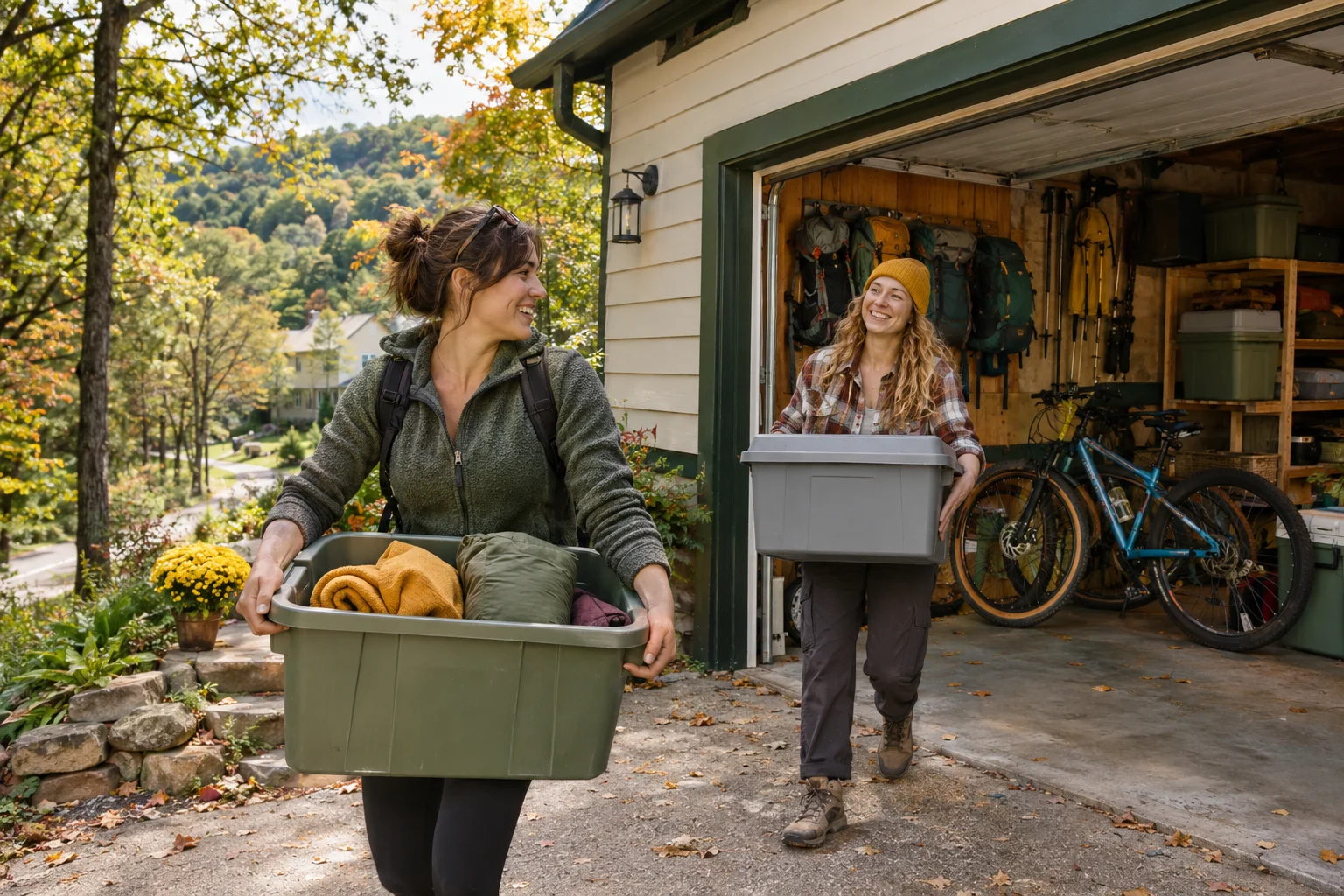
Outdoor belongings often need more preparation than indoor furniture. Clean soil from suitable equipment and allow wet items to dry. Inspect bicycles, tools, garden supplies, and seasonal storage so nothing is discovered after the estimate has been agreed. Remove loose attachments and protect sharp or delicate parts without creating hidden hazards for the people carrying them.
For equipment containing fuel or other fluids, ask the provider what is accepted and how it must be prepared. Do not assume an item can travel simply because it fits in the vehicle. Pack personal safety equipment where it will be accessible if needed, and keep important manuals with the relevant appliance or machine. At the new home, identify a secure storage place before unloading begins so outdoor items do not block the kitchen or sleeping areas.
Confirm the utilities attached to this property
Use the City of Decorah website to find current municipal contacts and ask which services apply to the address. Confirm any landlord, association, or owner responsibilities. A general city checklist cannot establish whether a particular home uses a municipal connection, a private system, or a service managed through another party. Obtain the answer for your property.
Arrange essential start dates around possession and retain the confirmation records. Schedule internet installation separately and ask whether an adult must be present. If reliable connectivity matters immediately, develop a temporary plan based on options you have actually checked. At the origin, keep necessary services available for final cleaning and inspection. Store passwords and sensitive account details securely, away from the copy of the move schedule that volunteers and helpers may see.
Keep weather preparations specific to the work
Watch the forecast and talk to the provider about unsafe conditions and schedule changes. Check the entrance, walkway, and unloading area close to the date. A path that was clear during a showing may need maintenance before a loaded carry. Plan for suitable footwear, drinking water, lighting, and a place to keep the essentials bag dry.
Ask what floor and doorway protection the provider supplies and what the property owner permits. Protection must allow secure footing. Do not lay loose sheets or plastic across the carrying route without an agreed safe method. If conditions worsen, let the people operating the vehicle and handling heavy items assess the work. Prepare a communication plan for a pause or delay so family members do not assume the schedule remains unchanged.
Keep arrival calm through a designated decision maker
One person should direct placement while another, if available, manages children, pets, or essential household needs. Put clear room labels in the home. Keep doors and corridors free, and avoid opening boxes in the carrying route. The destination plan should be simple enough that helpers can follow it without a long explanation.
Set up beds, bathroom supplies, and a basic food area before low-priority unpacking. Keep assembly hardware and simple tools accessible. Read delivery documents before signing and record concerns promptly through the stated procedure. Before the provider leaves, check the items and spaces relevant to the agreement. Make sure removable shelves, lamp parts, and bed fittings have not been left in a vehicle or mixed with discarded packing materials.
Learn the first week's routine from official information
Confirm waste and recycling instructions, mail arrangements, and any service setup still outstanding. Save the municipal contacts relevant to your household. For school or care arrangements, ask the responsible organization about requirements directly. A property's mailing address does not answer every enrollment or eligibility question, and old paperwork may no longer describe the current process.
Walk the immediate area in daylight and learn the practical routes you will use regularly. Update delivery instructions if the entrance is easy to confuse. Keep a separate maintenance list as furniture placement reveals outlets, lighting, or storage needs. Unpack by function rather than emptying every box at once. A completed work corner or kitchen cabinet is more useful than many half-finished areas spread through the home.
Connect your Decorah plan to the rest of Iowa
If your household is comparing addresses or coordinating a regional move, the Waverly, Charles City, and Cedar Falls guides provide further questions to consider. Use each for its own location and retain the measurements for each property. Do not assume that distance on a map predicts handling time, account setup, or the rules of a particular building.
Close the move by reviewing unresolved deliveries, repairs, service appointments, and paperwork. Flatten suitable boxes only after checking for small parts. Keep reusable packing materials in a dry place or arrange appropriate recycling. Store the inventory, agreements, photographs, and receipts together. A complete record makes it easier to follow up on a specific issue without trying to reconstruct the details from memory after the household has settled.
Prepare a destination packet that works offline
For a longer arrival into Decorah, keep a small destination packet available even when a phone signal or house connection is unreliable. Include the full address, the intended entrance, the authorized contact, and the confirmed time the property can receive belongings. Keep private codes in a secure part of the packet rather than printing them on every copy. Photographs should show the last approach and any turn that is difficult to describe through a brief conversation.
Add the measured furniture layout so the person receiving the load can answer questions without calling somebody who is driving. If the property includes an outbuilding, identify it clearly and state which objects belong there before unloading starts. Keep instructions about a private service system separate from the ordinary municipal account checklist until the responsible provider confirms them. A rural mailing address and a city service address may describe different responsibilities, so verify the actual arrangement.
Pack a basic cleaning kit in personal custody in case the first useful room needs attention before furniture is placed. Carry a flashlight if arrival could extend beyond daylight, and make sure the exterior lighting is functioning when possible. If the household travels in more than one vehicle, agree on a contact plan that does not require calls while driving. A person who arrives first should know how to secure the property if the main load is delayed.
Keep suitable clothing and any needed care supplies available for an unexpected wait away from the packed household goods. Label the first-night kit prominently enough that helpers place it in the agreed room rather than a general storage area. When the move is finished, store the packet with the agreements and photographs rather than discarding it with wrapping. Keep the packet accessible.
Official resources for your planning
City of Decorah: official resident information ↗Iowa government: local government resources ↗Check current official instructions for your address and moving date. This guide provides planning information and does not confirm service availability.